A toy theatre is much more than a small stage made for children. It is a miniature form of theatre that combines storytelling, paper art, scenery, character design and performance in one compact display. During the 19th century, these miniature stages allowed families to recreate the drama and excitement of popular theatre at home.
The tradition has a particularly interesting Australian connection. The National Museum of Australia preserves an important toy theatre collection belonging to the Everitt and George family. The collection includes a theatre, 11 complete plays, scenery, characters, playbooks, lighting equipment and other accessories. The objects were collected mainly by Edward Everitt during the 1880s and remained carefully preserved by his family for more than 120 years. (National Museum of Australia)
For Australian students, teachers, parents and craft enthusiasts, the history of the toy theatre offers a useful way to explore drama, design, social history and hands-on creativity at the same time. You can study an original historical example and then use its basic ideas to create your own miniature performance.
Fore More Information:
Visit Homepage
What Exactly Is a Toy Theatre?
A toytheaer is a small-scale stage designed for miniature performances. Instead of full-sized actors and scenery, a traditional toytheaer uses paper or card characters, painted scenery, side wings and a stage structure.
The audience watches through a framed opening, often called a proscenium arch. Characters can be moved across the stage with slides, wires or other simple mechanisms, allowing performers to create entrances, exits and changes of scene.
A traditional toytheaer can contain several parts:
- A miniature stage or theatre frame
- A decorated proscenium arch
- Background scenery
- Side wings
- Paper characters
- Props and special effects
- Play scripts or playbooks
- Character slides
- Lighting equipment
The National Museum of Australia describes its Everitt and George collection as containing a vibrant theatre with complete plays, backdrops, side wings, cut-out characters, playbooks, oil lamps and character slides. (National Museum of Australia)
Why Were Toy Theatres Popular?
The popularity of the toytheaer was closely connected with the growth of theatre-going during the 19th century. As theatre became a popular form of entertainment, miniature versions gave people an opportunity to recreate some of that experience at home.
The idea was particularly appealing because a small stage could bring together scenery, costumes, characters and storytelling without requiring a real theatre building.
For a family sitting in a parlour, a toytheaer could become an evening’s entertainment. Different people could operate characters, provide voices, narrate scenes or manage scenery while others watched.
The National Museum of Australia notes that by the middle of the 19th century, more than 300 plays had been reproduced in miniature. These included drama, comedy, adventure and pantomime. (National Museum of Australia)
A Brief History of the Victorian Toy Theatre
The story of the toytheaer begins in England around 1811. At first, individual souvenir sheets featuring theatrical characters were produced. These proved popular, and publishers soon began reproducing complete plays in miniature.
Artists could attend theatrical opening nights and sketch actors, costumes and scenery. Those drawings were then engraved and turned into printed sheets. This process allowed people to purchase miniature versions of the productions they had seen or heard about. (National Museum of Australia)
The printed sheets were available in different forms. Buyers could purchase plain versions and colour them themselves, or pay more for versions that had already been brightly coloured.
This created an interesting connection between publishing and craft. Buying a play was only part of the experience. Owners also had to prepare the sheets, mount them, cut out the figures and scenery, and arrange the miniature stage.
Fore More Information:
Visit Homepage
From Printed Sheets to Home Performances
As the toytheaer developed, the experience became more than collecting pictures. Owners could construct complete performances using multiple scenery sheets, characters and stage accessories.
Some productions were surprisingly detailed. The National Museum of Australia records that The Forty Thieves, for example, included 12 sheets of characters and 15 scenes.
This level of detail helps explain why a Victorian toytheaer could become a serious hobby rather than simply a child’s plaything.
The Decline of Toy Theatre
By the 1870s, interest in the toytheaer was declining and only a small number of publishers remained.
One important name from this later period was Benjamin Pollock, who took over John Redington’s printing and toytheaer business in 1877. Pollock often reproduced older plays using existing printing plates. (National Museum of Australia)
The tradition received renewed attention after author Robert Louis Stevenson wrote about toytheaer in 1884. His essay, Penny Plain, Tuppence Coloured, reflected his childhood affection for the miniature stages.
That renewed interest helped preserve the idea of the toytheaer as an important part of Victorian popular culture.
The Australian Story: Edward Everitt and His Family
The Australian history of the toytheaer becomes especially interesting through Edward Everitt.
Everitt was born in Somerset, England, in 1845. He played with miniature theatres as a child and later migrated to Sydney with his parents and family in the late 1850s. Family history suggests that he brought parts of a ttoytheaer with him, although the National Museum notes that what is certain is that his interest in toytheaer continued. (National Museum of Australia)
Everitt later worked as a jeweller for Flavelle and Roberts in Sydney. His professional skills proved useful when preparing the miniature productions.
From the late 1870s, Everitt regularly ordered plays and equipment from Pollock’s shop in London. This included lighting equipment and other items required for performances. (National Museum of Australia)
That connection shows how the toytheaer tradition could travel across continents through family interests, trade and printed materials.
A Family Entertainment
The Everitt family did not simply store their toytheaer away. It became part of family life.
The collection contains 11 plays, including melodramas such as The Corsican Brothers and The Daughter of the Regiment, as well as pantomimes including Sleeping Beauty and The Silver Palace. Performances were used to entertain family members and friends. (National Museum of Australia)
The preparation itself was also a family activity. Paper sheets needed to be mounted onto cardboard, while the individual characters and scenery had to be carefully cut out.
The National Museum of Australia notes that the fine quality of Everitt’s cut-out work reflects the skills he developed as a jeweller. (National Museum of Australia)
This is one reason the Australian collection is so valuable. It does not only show what a toytheaer looked like; it also provides evidence of how one family used, maintained and enjoyed it over generations.
What Makes the National Museum Collection Special?
The Everitt and George family collection is significant because of its unusually well-preserved condition and the story attached to it.
After Edward Everitt died in 1920, the theatre passed to his sixth son, Alfred. During the 1960s it passed to Everitt’s grandson, Eric George. Eric continued to care for it and staged performances for family and wider communities. (National Museum of Australia)
What began as entertainment for children and families eventually became a treasured heirloom.
The collection also gives researchers an opportunity to examine the colours used in late-19th-century miniature theatre materials. The National Museum’s conservation team has studied the vibrant pigments, including how a variety of colours were created from three pigments. (National Museum of Australia)
So, a toytheaer can be viewed from several perspectives: as a toy, a craft project, a piece of theatre history, a family object and a historical source.
What You Need to Create a Toy Theatre Today
You don’t need specialist equipment to experiment with a modern toytheaer. A simple version can be constructed from everyday craft materials.
Basic Materials
| Component | Suggested Materials | Purpose |
|---|---|---|
| Stage frame | Cardboard box, foam board or thin plywood | Creates the theatre structure |
| Stage opening | Cardboard and ruler | Forms the viewing area |
| Scenery | Cardstock or thick paper | Makes backgrounds and wings |
| Characters | Paper or cardstock | Creates miniature performers |
| Slides | Craft sticks, skewers or suitable wire | Helps move characters |
| Adhesive | PVA glue or double-sided tape | Holds components together |
| Colouring | Coloured pencils, markers or watercolours | Adds scenery and character detail |
| Lighting | Battery-operated LEDs | Creates a stage effect |
For a classroom project, cardboard and paper are usually enough to explore the basic concept. The aim is to understand how scenery, characters and movement work together rather than reproduce a museum-quality historical object.
Safety note: If cutting cardboard or other materials, use age-appropriate scissors or have an adult supervise the use of craft knives and other sharp tools.
Planning Your Miniature Stage
Before assembling a toytheaer, decide what type of performance you want to create.
Think about three things first:
The story: Will you adapt a fairy tale, create an original story or explore a historical event?
The scenery: How many locations will your story need?
The characters: Which figures need to appear, and how will they enter or leave the stage?
A short performance is often easier for a first project. A five-minute story can provide enough room for scenery changes, character movement and narration without becoming difficult to manage.
A Useful Stage Layout
A traditional-style toytheaer works well when the stage is divided into visual layers:
- Front: Proscenium arch and front wings
- Middle: Moving characters and props
- Rear: Main backdrop
- Below: Slides or controls for moving figures
Layering creates depth even though the actual stage may only be a small box.
How to Build and Perform a Toy Theatre
Creating a toytheaer today can be a simple craft activity, but the basic idea remains remarkably close to the traditional miniature stages used in the 19th century. You need a stage, scenery, characters and a way to move the figures.
Step 1: Build the Theatre Frame

Start with a sturdy shoebox or another small cardboard box. The box becomes the main housing for your miniature stage.
Mark a large rectangular opening on the front and carefully cut it out, leaving enough cardboard around the edges to create a strong frame. This opening acts as your proscenium arch, giving the audience a clear view of the performance.
For a more traditional appearance, decorate the frame with drawn curtains, painted decorations or patterned paper. You can also add a second layer around the opening to make the arch look more elaborate.
Design tip: Don’t make the stage opening so large that the remaining cardboard becomes weak. The frame needs to support the scenery and remain stable during a performance.
Offical Website: Toy Theatre
Step 2: Create Slots for Scenery
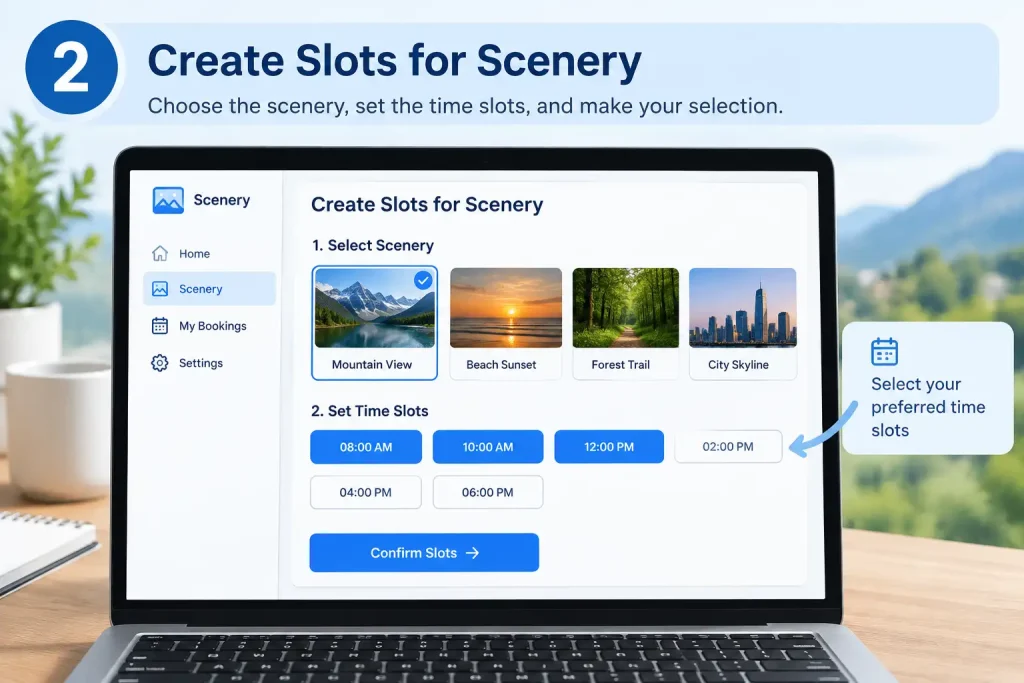
The scenery needs to stay upright while characters move across the stage.
One practical method is to create narrow parallel grooves in the stage floor. Thin strips of cardboard can also be attached to form channels that hold the scenery in position.
Plan the positions before gluing anything permanently. A useful arrangement is:
- Rear slot — main backdrop
- Middle area — characters and moving props
- Front slots — side wings
- Open central area — main performance space
This layered arrangement gives a small toytheaer greater visual depth.
Step 3: Prepare the Backdrop and Wings

The backdrop establishes where the scene takes place. It could represent a palace, forest, village, bedroom, street or another setting required by your story.
Draw or print the scenery on paper before attaching it to thicker card. Cardstock is useful because it is less likely to bend when inserted into the stage.
Side wings can be designed to match the backdrop. For example, a palace scene might have columns or curtains at the sides, while a forest scene could use trees, bushes and rocks.
If you are working with students, this part provides an excellent opportunity to combine art and storytelling. Ask students to consider how colours, shapes and perspective communicate the location before they start drawing.
Making Characters for a Toy Theatre
The characters are the heart of a miniature performance.
Draw or print each figure on reasonably strong paper or cardstock. Cut around the outline carefully, then attach the figure to a narrow vertical support.
Traditional performances used character slides and other mechanisms to move figures around the stage. A modern craft version can use suitable craft sticks or similar supports.
The important point is that the control mechanism should extend below the stage so the performer can move the character without placing a hand directly in front of the audience.
Think About Movement
Don’t make every character stand in exactly the same position.
A performance becomes more interesting when characters can:
- Enter from either side
- Cross the stage
- Approach another character
- Leave during a scene
- Move behind scenery
- Appear at different depths
You can also make separate props that move independently. A carriage, bird, tree, magical object or other feature can become a small mechanical part of the production.
Giving Your Toy Theatre a Victorian Appearance
If you want your toytheaer to resemble a traditional 19th-century stage, concentrate on decorative details around the proscenium.
Victorian theatres often inspire designs featuring:
- Draped curtains
- Ornate borders
- Decorative arches
- Repeated patterns
- Painted columns
- Rich-looking stage scenery
- Layered wings
- Detailed character costumes
You don’t need expensive materials. Cardboard, coloured paper and careful drawing can create the impression of an elaborate theatre.
A particularly effective technique is to use several layers of scenery. A distant backdrop can sit at the rear while trees, columns or other objects are positioned closer to the audience.
This creates a sense of perspective on a very shallow stage.
Fore More Information:
Visit Homepage
Add Simple Stage Effects
A miniature performance doesn’t need complicated technology.
Small battery-powered lights can be placed inside or around the stage to create a brighter performance area. Lighting can also help distinguish one scene from another.
For example, you might use:
- Soft lighting for an indoor scene
- Brighter lighting for a daytime setting
- Reduced lighting for a mysterious moment
- A lighting change when the story moves to a new location
Keep electrical components age-appropriate and use battery-operated products rather than open flames.
Historical toytheaer sometimes used oil lamps, as shown by the National Museum of Australia’s Everitt and George collection. Modern recreations should use safer alternatives instead.
How to Stage a Toy Theatre Performance
Once the theatre, scenery and characters are ready, the next challenge is putting on the show.
A small production can involve several people, with each person responsible for a different part of the performance.
Suggested Roles
| Role | Responsibility |
|---|---|
| Narrator | Tells the story and introduces scenes |
| Character operators | Move figures across the stage |
| Voice performers | Provide dialogue |
| Stage manager | Coordinates scenery and entrances |
| Effects operator | Controls lighting or sound |
| Audience | Watches and responds to the performance |
For a very small production, one person can handle several roles.
Before beginning, place the opening backdrop and wings into their positions. Put the characters needed for the first scene somewhere the operators can reach them easily.
Then follow the script and move each figure at the appropriate moment.
Using Narration and Sound
Sound can make a toytheaer feel much more dramatic.
You can have one narrator describe the action while different performers provide character voices. Alternatively, a single person can narrate the entire story.
Simple sound effects can also help establish a setting. Footsteps, knocking, wind, bells or other sounds can be created using everyday objects or recorded audio.
Music is another option, especially for classroom performances.
The key is not to overload the production. Sound should support the story rather than distract the audience from the miniature stage.
Toy Theatre Ideas for Schools
A toytheaer can become a strong cross-curricular classroom project because students can approach it through history, English, drama, art and design.
English and Drama
Students can write a short script for their miniature production.
They might:
- Adapt a familiar story
- Write new dialogue for historical characters
- Create a short fairy tale
- Retell an event from a different character’s viewpoint
- Develop a five-minute dramatic scene
The writing exercise also teaches students how dialogue and narration work together.
Art and Design
Students can design the visual world of the performance.
They can create:
- Character costumes
- Background paintings
- Side wings
- Props
- Theatre decorations
- Posters for the production
This encourages students to think about how visual design supports storytelling.
History
The Victorian toytheaer provides a practical way to investigate 19th-century entertainment.
Students could research questions such as:
- Why did theatre become popular?
- How were printed toytheaer sheets produced?
- What types of stories were performed?
- How did families use miniature theatres?
- How did toytheaer publishing change over time?
- What can surviving collections tell us about everyday life?
The National Museum of Australia’s Everitt and George collection is particularly useful for discussing how an entertainment object can become a historical artefact.
A Five-Minute Toy Theatre Project
For beginners, a short performance is often easier than attempting a full play.
Try this format:
Minute 1 — Introduction:
The narrator introduces the characters and setting.
Minute 2 — First scene:
The main characters enter and establish the problem.
Minute 3 — The turning point:
Something changes and the characters respond.
Minute 4 — Resolution:
The characters solve the problem or reach the main conclusion.
Minute 5 — Ending:
The narrator closes the story while the characters take their final positions.
This format gives students a clear structure without requiring a large number of characters or scenery changes.
Common Toy Theatre Mistakes to Avoid
A handmade toytheaer can work extremely well, but a few planning mistakes can make performances difficult.
Making the Stage Too Small
If the stage opening is tiny, characters may collide or become difficult to control. Leave enough room for figures to cross the performance area.
Using Weak Paper
Very thin paper can bend or tear after repeated handling. Mounting scenery and characters on stronger card can make them easier to operate.
Adding Too Much Scenery
A crowded stage can make characters difficult to see. Choose scenery that supports the story rather than filling every available space.
Forgetting Stage Directions
Operators need to know when a character enters, where it should stop and when it should leave.
Mark these instructions clearly in the script.
Making Characters Difficult to Move
Before the performance, test every character. Make sure the control stick or slide moves smoothly and doesn’t catch on the stage structure.
Exploring the Toy Theatre Collection in Australia
Anyone interested in the history of the toytheaer can explore the National Museum of Australia’s collection online.
The museum’s collection is especially valuable because it connects miniature theatre with an Australian family story. Edward Everitt collected plays and equipment from London, while later generations continued to preserve and perform with the theatre.
The collection demonstrates how an object associated with childhood entertainment can survive as an important cultural and historical record.
For teachers, it can also provide a starting point for lessons about migration, family history, Victorian popular culture, publishing and material culture.
Creative Toy Theatre Projects to Try
1. Recreate a Victorian-Style Play
Choose a traditional story associated with miniature theatre, such as Sleeping Beauty, Cinderella or The Corsican Brothers.
Rather than reproducing a complete historical production, create a short adaptation. Design a few important scenes, prepare the main characters and write a shortened script.
This gives students a practical way to explore how 19th-century audiences could experience familiar stories through miniature performances.
2. Create an Original Australian Story
A toytheaer doesn’t have to imitate Victorian productions.
Students can create an original story based on an Australian setting, historical event or imaginary adventure. The scenery could feature a beach, bushland, city street, rural property or another location.
The project can then become a complete creative exercise:
Research → Story → Script → Artwork → Construction → Performance
3. Turn a Favourite Book into a Miniature Play
Another useful activity is adapting a familiar children’s book.
Students first identify the most important moments in the story. They can then decide which scenes need scenery and which characters are essential.
The final performance doesn’t need to reproduce every detail from the book. A short adaptation can focus on the main conflict and resolution.
Fore More Information:
Visit Homepage
Toy Theatre Classroom Activity
A teacher can divide a class into small production teams.
One group can work on the script, another on character illustrations, another on scenery and another on stage construction.
At the end, each group contributes to the final performance.
Suggested Learning Areas
| Subject | Toy Theatre Activity |
|---|---|
| English | Write dialogue and narration |
| Drama | Perform characters and stage scenes |
| Visual Arts | Design scenery and characters |
| History | Research Victorian entertainment |
| Design & Technology | Build the miniature stage |
| Media | Record and edit the final performance |
This makes the toytheaer particularly suitable for project-based learning because one activity can involve several different skills.
Toy Theatre Project Checklist
Before the performance, check each part of the miniature theatre.
Stage
- The frame is stable
- The viewing opening is clear
- Scenery fits into its slots
- Characters can move smoothly
- The stage isn’t overcrowded
Artwork
- Characters are clearly recognisable
- Backdrops match the story
- Side wings create depth
- Props are prepared
- Decorative details are secure
Performance
- The script is ready
- Each performer knows their role
- Character entrances are marked
- Scene changes have been practised
- Lighting and sound have been tested
A rehearsal is worth doing even for a short performance. Moving miniature figures requires coordination, and practice makes it easier for performers to work without blocking one another.
Victorian Toy Theatre vs Modern Toy Theatre
Although today’s craft versions may look different from historical examples, the central principle remains similar.
| Feature | Victorian Toy Theatre | Modern Version |
|---|---|---|
| Stage | Printed or constructed miniature theatre | Cardboard, foam board or craft materials |
| Characters | Printed and cut paper figures | Hand-drawn or digitally printed figures |
| Scenery | Published theatrical sheets | Homemade or printable designs |
| Colour | Hand-coloured or pre-coloured sheets | Markers, pencils, paint or digital printing |
| Movement | Slides, wires and stage mechanisms | Craft sticks, slides or similar controls |
| Lighting | Historical lamps and theatre equipment | Battery-powered LEDs |
| Stories | Melodrama, pantomime and popular plays | Books, original stories or historical topics |
| Purpose | Home entertainment and collecting | Education, craft, storytelling and performance |
The difference is mainly in the materials and technology. The basic theatrical concept remains remarkably similar: create a miniature world and tell a story inside it.
Why Toy Theatre Still Matters
The toytheaer may appear old-fashioned compared with digital entertainment, but that is also part of its appeal.
A digital performance can be produced with software, cameras and animation tools. A miniature theatre requires the creator to physically build the world in which the story takes place.
That hands-on process encourages patience and planning.
It also makes the relationship between design and storytelling easy to see. If a character cannot move properly, the stage design needs to change. If the audience cannot identify the setting, the backdrop may need more detail. If the story is too long, the script needs editing.
These are practical creative decisions.
Fore More Information:
Visit Homepage
FAQs
Final Thoughts
The story of the toy theatre shows how a small object can connect entertainment, craftsmanship and history. What began as commercially printed miniature theatre material in early-19th-century England became a popular form of home entertainment and eventually developed a lasting place in museum collections.
The Australian story is equally valuable. Edward Everitt’s interest in miniature theatre travelled with him to Australia, while later generations of his family continued to preserve and perform with the collection.
Today, making a toytheaer offers a practical way to rediscover that tradition. A cardboard box, paper scenery and handmade characters are enough to begin. From there, students and families can develop scripts, experiment with stage design and create performances of their own.
For historical research and a closer look at an authentic Australian collection, the National Museum of Australia is the key official reference:
Read More:
Book Week Costumes: Ideas, DIY Options and Easy Choices for 2026
SEQTA Login Guide 2026: Learn, Engage and School Portal Access
CITEC Queensland Government: Complete ICT Services Guide 2026
Australia Visitor Visa 600: Complete Application Guide 2026
Blue Slip NSW: Complete AUVIS Inspection Guide 2026